

Blog - 14/01/2025
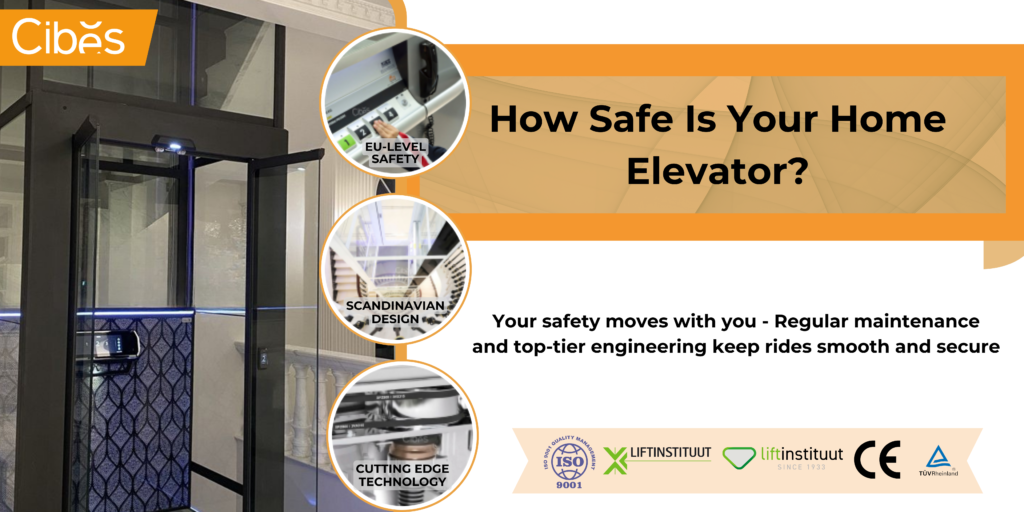
How Safe Is Your Home Elevator?
TL/DR
A home elevator is very safe when it is installed correctly, used properly, and serviced on time. We always tell homeowners to focus on three things first: the right installation partner, the right built-in safety features, and regular maintenance. If these three are in place, daily use becomes smooth, safe, and reliable for the whole family.
A lot of people ask us this before buying a home lift, and honestly, it is the right question to ask. A home elevator is not just a design feature. It becomes part of your everyday routine. Children use it, elderly parents use it, guests use it, and sometimes domestic staff use it many times a day. So safety is not a small checkbox.
When we discuss home elevator safety with homeowners in India, we usually bring the conversation back to practical things that matter in real homes, power cuts, family usage, weight habits, servicing discipline, and emergency response.
Why does installation quality matter so much for home elevator safety?
We can add many safety features to a home lift, but safe operation starts much earlier, at installation.
A well-installed home elevator is levelled correctly, tested properly, and handed over only after all safety functions are checked. Poor installation can create problems later, such as unusual noise, uneven stopping, or door issues. That is why we always recommend choosing an experienced home lift company with trained installation and service teams.
In simple words, even the best lift system can perform badly if the installation is poor. On the other hand, a well-installed lift feels stable, quiet, and predictable from day one.
What safety features should every home elevator have?
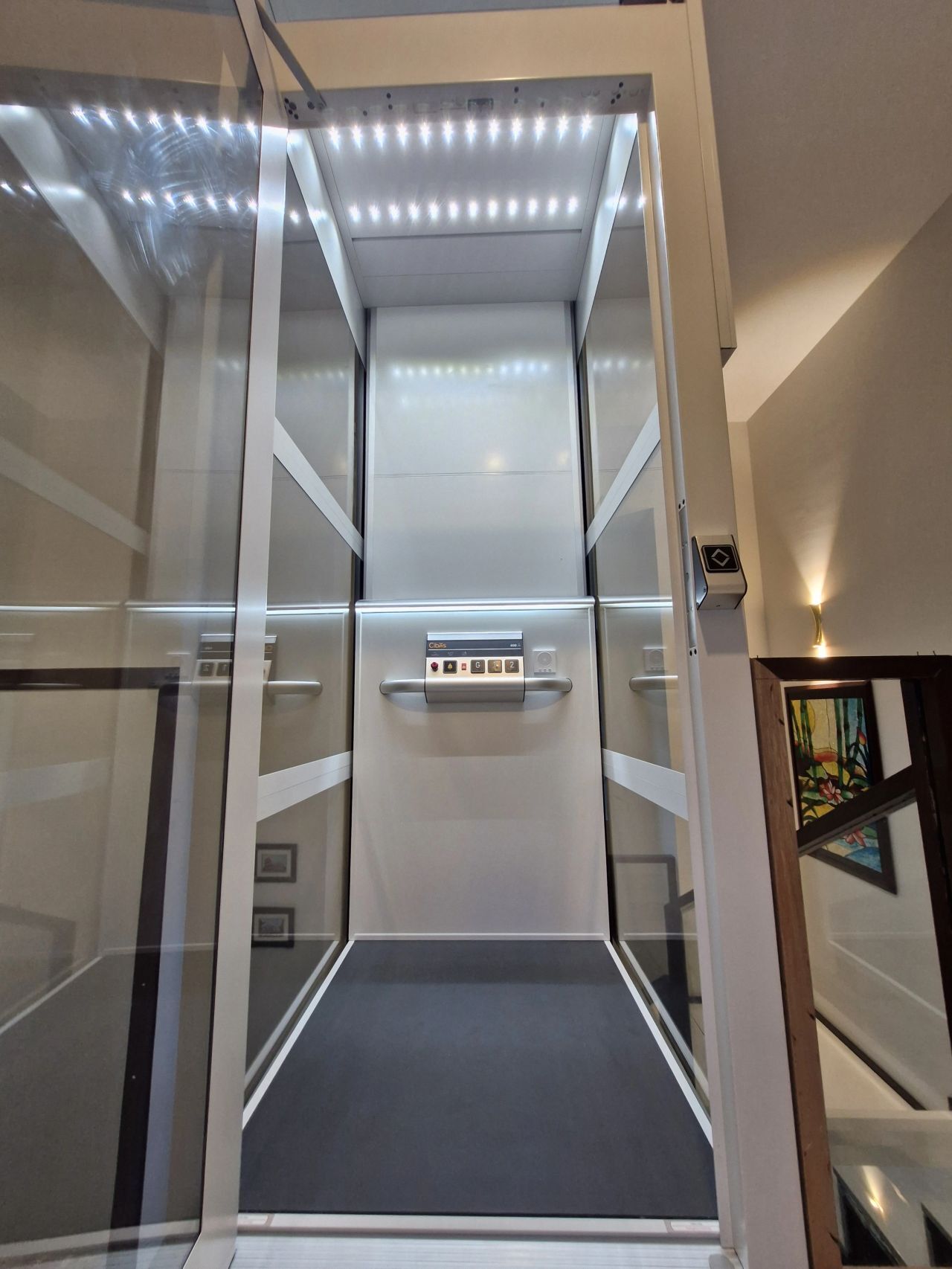
When people ask us what makes a home elevator safe, we point them to the core features first. These are not “nice to have” items. They are essential.
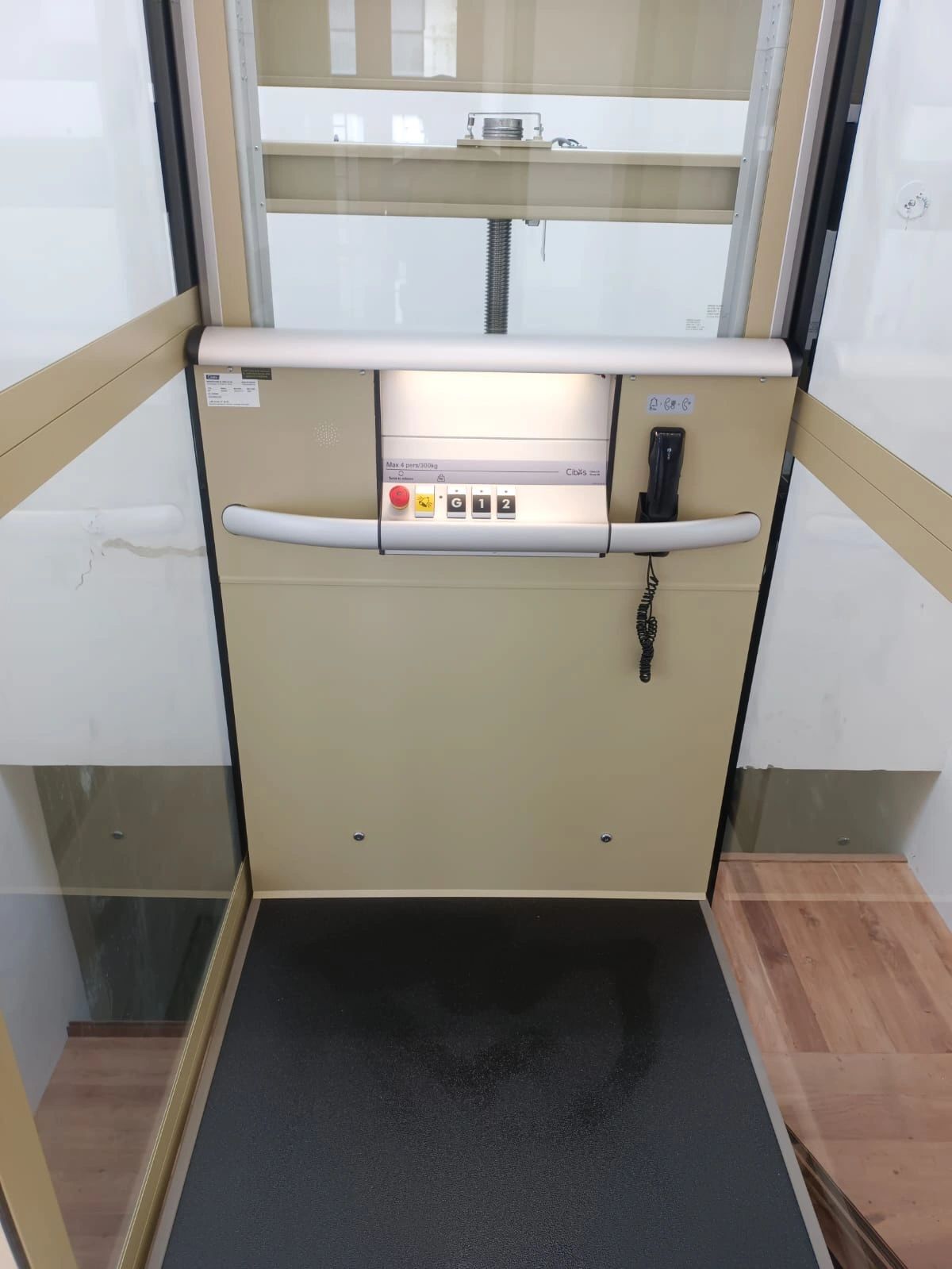
A dependable home lift should include:
- An emergency stop button so the user can stop the operation if something feels wrong
- Battery backup to support safe movement during a power failure
- Automatic door locking so the lift does not move unless the doors are secured
- Overload protection or sensors to prevent operation beyond rated capacity
- Emergency alarm and two-way communication for quick help during an emergency
- Smooth braking system to avoid harsh stopping and improve ride comfort
These features work together. No single feature makes a lift safe on its own. It is the combination that matters.
How do we keep a home elevator safe for children and elderly users?
This is one of the most common concerns in Indian homes, especially in villas and duplex houses where multiple generations live together.
It is essential to teach your children that your home elevator is not some sort of game and that they need to behave responsibly in and around it. We always recommend supervision for younger users and clear family rules. Children should not play with lift buttons, doors, or controls. We also suggest explaining basic usage in a simple way: press the button once, stand clear of the doors, and wait for the lift to stop fully before stepping out.
For elderly users, the focus is slightly different. We look at comfort, confidence, and response time in case of an issue. Features like smooth braking, easy-to-use controls, emergency communication, and proper levelling at floor stops help a lot. In some homes, additional safety options such as key locks or access control may also be useful.
A safe home elevator for elderly parents is not only about hardware. It is also about making sure they feel comfortable using it alone.
Why Do Weight Limits Matter in a Home Elevator?
It is extremely easy to conveniently forget about weight limits when you need to move a heavy chair upstairs, or get your whole family’s luggage downstairs, but doing all of the above can be a serious safety hazard. Ignoring weight limits puts dangerous strain on cables and pulleys.
What happens during a power failure, and what should you do?
Power cuts are a real concern in many parts of India, so this question comes up often.
Most modern home lifts include battery backup systems that allow the lift to move safely to the nearest floor and open the doors during a power failure. This helps users exit safely instead of getting stuck inside for long periods.
We always advise homeowners to ask this clearly before purchase: What exactly happens to this model during a power cut? Not every system behaves the same way, and the battery backup function can vary by model.
If there is a power failure while using the lift, stay calm, use the alarm or communication system if needed, and follow the instructions shared during handover.
Is it safe to use a home elevator during a fire?
No. We should never use a home elevator during a fire.
In a fire emergency, elevators can become unsafe because heat and smoke may affect electrical systems and normal operation. The safest action is to use the stairs and follow your home’s emergency plan.
This is one rule we always repeat during user handover, because people panic in emergencies and may try to use the lift quickly. It is better to know the rule in advance.
What warning signs mean you should stop using the lift and call for service?
Home lifts usually give early signs when something needs attention. We always tell families not to ignore these signs.
Stop using the elevator and call for service if you notice things like unusual squeaking or grinding sounds, jerky movement, door locking issues, or the lift stopping unevenly at a floor. Even if the lift is still moving, these are warning signals.
Small issues are easier and safer to fix early. Waiting too long can turn a minor adjustment into a bigger repair and a bigger safety risk.
How often should a home elevator be serviced?
Regular maintenance is one of the biggest reasons a home elevator stays safe over the long term.
We recommend following the service schedule provided for your model and usage pattern. A lift used many times every day may need closer attention than one used occasionally. Preventive maintenance helps us check wear, verify safety functions, inspect doors, test communication systems, and make sure the ride remains smooth.
A simple habit helps here: if the lift sounds different, feels different, or stops differently, report it early. At Cibes, we require maintenance just once annually.
Which safety standards should you ask about before buying?
Which safety standard does this model follow, and can you show proof?
Don’t settle for “it’s safe” or “it’s certified.” Ask for the exact standard name and the compliance document.
What happens during a power cut, step by step?
Does it stop where it is, move to the nearest floor, open the door, and switch on cabin lighting? Get a clear explanation.
Does it have ARD and battery backup, or only one of them?
Many people mix these up. Ask what’s included as standard, what’s optional, and how long it can run on backup.
What door safety features are included?
Ask about door interlocks, obstruction sensing, and what prevents the lift from moving if a door isn’t properly closed.
What maintenance schedule is required, and what does it include?
How often will the technician visit, what parts are checked, what gets adjusted, and what’s considered normal wear?
Who installs it and who services it later?
Is it the company’s own trained team or an outsourced contractor? And do they have a local service presence in your city?
Is it suitable for children and elderly users in day-to-day life?
Ask about a gentle start/stop, easy controls, an emergency alarm, and whether the lift has features that reduce pinch and trap risks.
Does it need a pit or a machine room?
Get clarity on pit depth, overhead space, and whether any structural changes are needed, because this affects cost and timeline.
FAQs about home elevator safety
Are home elevators safe for daily use at home?
Yes, they are safe for daily use when installed correctly, used within weight limits, and serviced on time. Built-in safety features and regular maintenance make a major difference.
What is the most important safety feature in a home lift?
There is no single most important feature. Safety comes from a complete system that includes door locking, battery backup, overload protection, emergency stop, communication, and reliable braking.
Can a home elevator be used safely by seniors?
Yes. We design and recommend home lifts with easy controls, smooth ride quality, and emergency support features so seniors can use them comfortably and safely.
What should we check before buying a home elevator?
We should check installation quality, safety features, power failure behavior, service support, and applicable safety standards. These are the basics that shape long-term safety.
About the author
I’m Pintu Mahto, Technician Head at Cibes Lift. I’ve spent 7+ years working on elevator installations, with hands-on experience in site surveys, coordinating installation teams, checking site readiness, supporting alignment and fitment, managing wiring and control setups with other trades, and ensuring installations are completed with proper safety checks. I write to share what really matters on-site, from installation planning and safety checks to practical tips that help avoid delays and rework. My focus areas include home elevators, glass lifts, and residential elevator setups, along with accessibility solutions and smart home mobility features that improve everyday use.


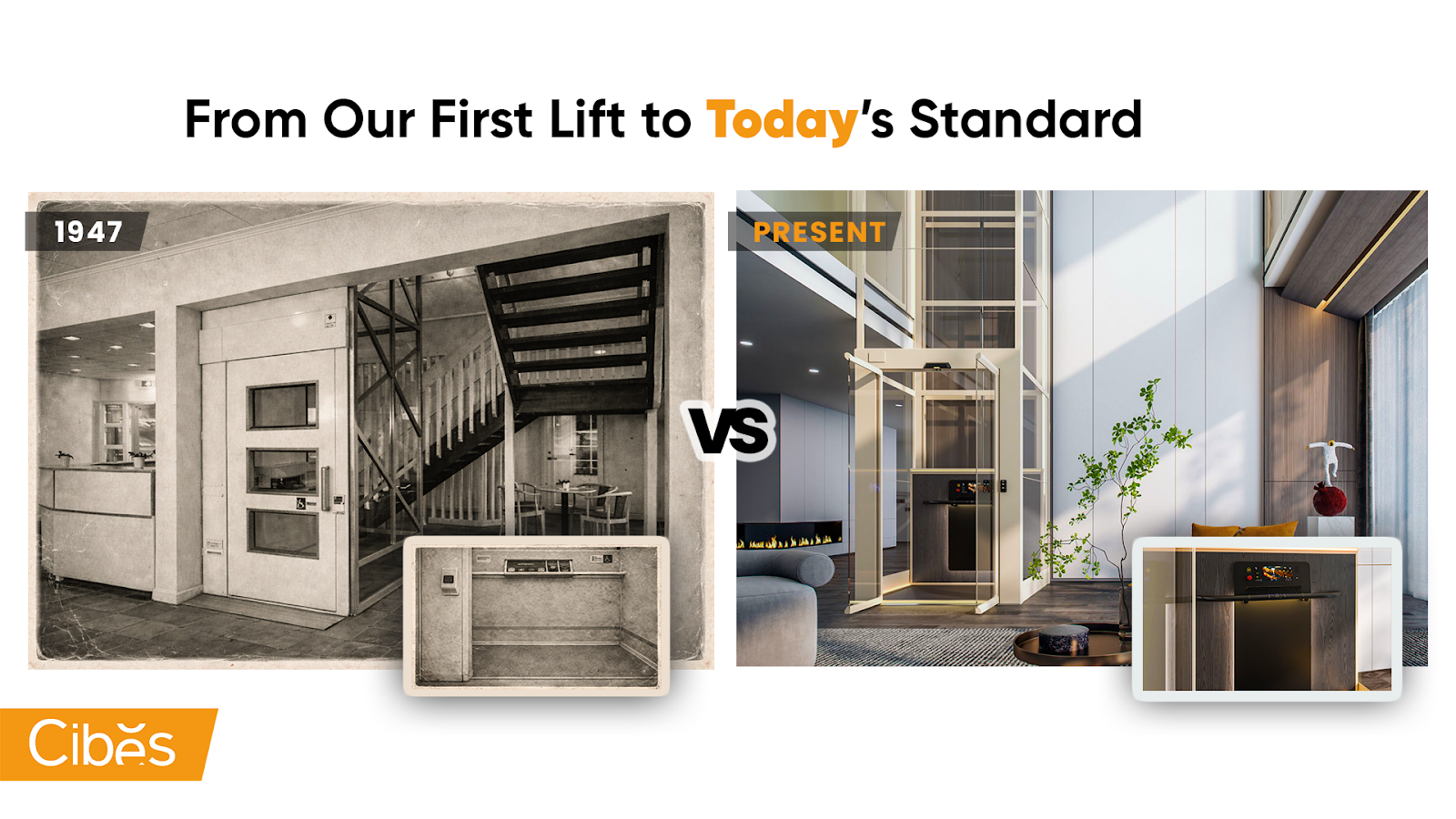
Explore the story of Cibes Lift Group AB, from its Swedish roots to its global presence, brand portfolio, and leadership. This blog gives a clear look at the history, reach, and identity behind one of the well-known names in lift solutions.
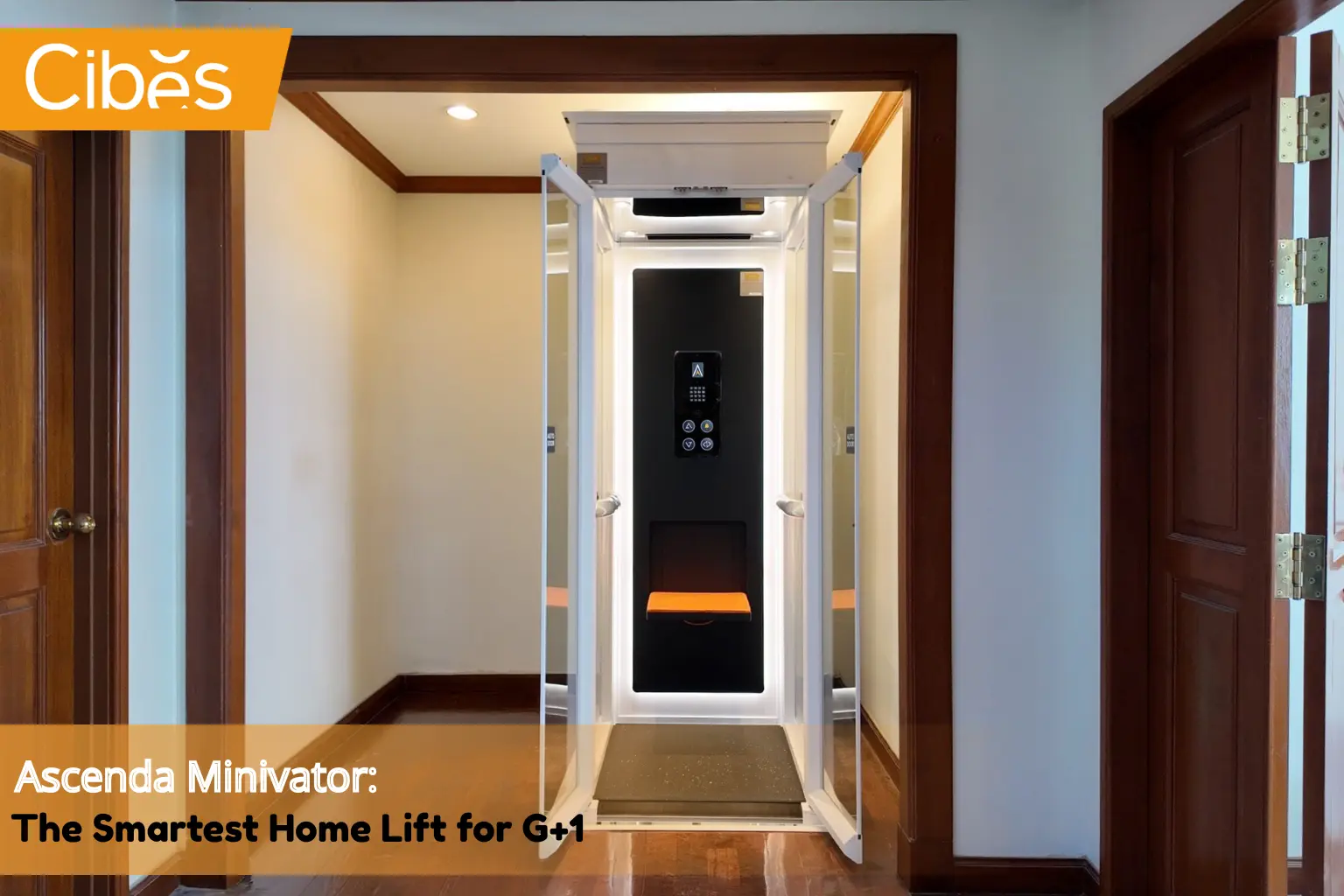
Experience effortless movement in your two-storey home with the Ascenda Lift for G+1. Designed for safety, comfort, and modern living, Ascenda brings pitless installation, all-glass elegance, and advanced features that transform everyday mobility. A perfect upgrade for families seeking convenience and long-term reliability.

The real lift cost in 2025 goes beyond the price tag. Cheap lifts may save money upfront but compromise safety, quality, and durability. Premium lifts like Cibes offer superior engineering, energy efficiency, and long-term value, making them the smarter investment for homeowners seeking safety, style, and reliability.
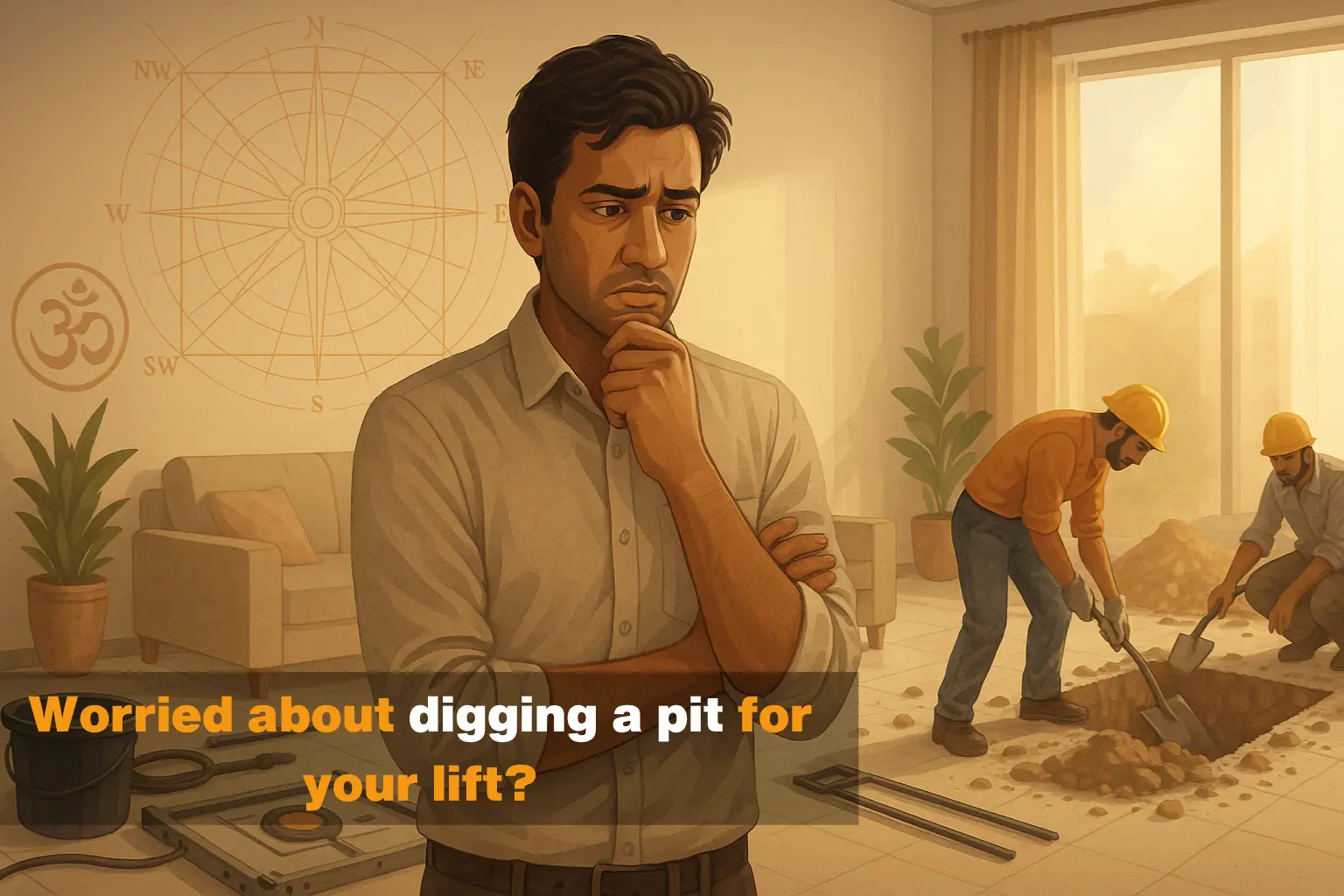
Experience true harmony with Cibes pitless lifts, a Vastu-friendly solution that preserves your home’s balance, avoids deep digging, and brings effortless comfort with modern elegance.

Step into Cibes Lift India – Bengaluru Showroom, where luxury meets safety. Explore premium home lifts crafted for villas, duplexes, and bungalows with unmatched comfort.

We offer lifts for any application, and regardless if you need a lift for your home, a school, an office, a hotel or a warehouse, we have the perfect lift model for you,a hotel or a warehouse, we have the perfect lift model for youa hotel or a warehouse, we have the perfect lift model for you
See all